How to Root a San Pedro / Trichocereus Cutting (Step by Step)
July 2, 2026
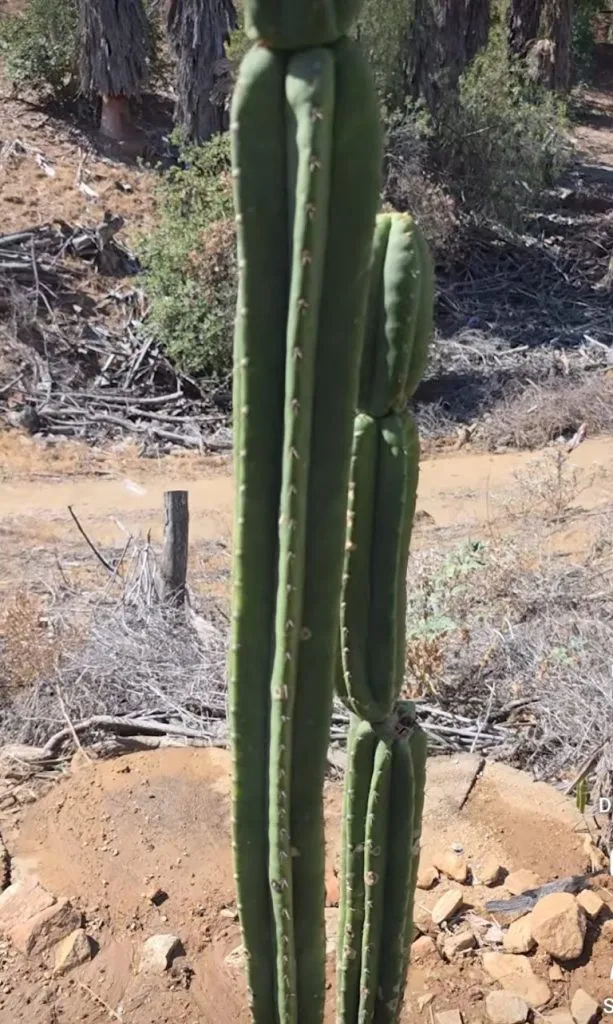
Rooting a San Pedro (Trichocereus) cutting is one of the most rewarding projects in cactus growing, and it is far easier than most beginners expect. These tough, columnar ornamentals are forgiving, fast to establish, and happy to reward a little patience with strong new roots. Here is our simple, grower-direct method for turning a fresh cutting into a thriving rooted cactus.
Step 1: Let the Cutting Callous First
This is the step everyone wants to skip, and the one that matters most. A fresh-cut Trichocereus needs time for the cut end to dry and form a firm, dry callous before it ever touches soil. Stand the cutting upright in a dry, shaded, well-ventilated spot out of direct sun.
- Allow roughly 2-3 weeks of drying time, sometimes longer for thick cuts.
- Wait until the cut surface is dry, sealed, and no longer soft or moist.
- Planting too early is the #1 cause of rot, so do not rush this stage.
Step 2: Prepare a Fast-Draining Mix
Trichocereus hate sitting in wet soil. Use a gritty, fast-draining cactus mix, or amend standard cactus soil with extra pumice, perlite, or coarse sand until water runs straight through. Choose a pot with a drainage hole; terracotta is ideal because it breathes and dries quickly.
Step 3: Plant the Calloused Cutting
Set the calloused end about 1-2 inches deep into the dry mix, just enough to hold the cutting upright. Keep it stable with a stake or by leaning it against something if it is tall and top-heavy. Place the pot in bright, indirect light. Avoid harsh, full midday sun on an unrooted cutting while it is still establishing.
Step 4: Hold Off on Water
Resist the urge to water right away. Leave the freshly planted cutting dry for about a week so the callous stays protected. After that, give it a light watering to encourage roots to reach down into the moisture.
- Water sparingly, then let the mix dry out almost completely before watering again.
- Damp-but-not-wet is the goal; soggy soil invites rot.
- Warm temperatures and longer days (spring through summer) speed rooting considerably.
Step 5: Wait for Roots to Form
Patience pays off. Most San Pedro cuttings begin developing roots within a few weeks, though it can take longer in cooler conditions. Resist tugging on the cutting to check; instead, watch for signs of life such as firmness, fresh green color, and eventually new growth at the tip. A gentle, slight resistance when you nudge the cutting is a good sign roots have taken hold.
Step 6: Transition to Normal Care
Once your cutting is well rooted and showing new growth, you can gradually move it into more sun and a regular watering rhythm. Acclimate slowly to stronger light over a couple of weeks to avoid sunburn on tissue that grew in shade.
Troubleshooting Common Issues
- Soft, mushy, or discolored base: usually overwatering or planting before the callous formed. Cut back to healthy green tissue, re-callous, and start again.
- Cutting shriveling or leaning: often normal early on as it draws on stored moisture; light watering and patience typically resolve it once roots establish.
- No roots after many weeks: warm it up, ensure bright light, and check that your mix actually drains fast.
Quick Recap
- Callous the cut end (about 2-3 weeks).
- Plant shallow in a gritty, fast-draining mix.
- Wait a week, then water sparingly.
- Bright indirect light, warmth, and patience.
- Move to full care once rooted and growing.
That is all it takes to grow a healthy rooted Trichocereus from a cutting. Ready to start your own? Browse our grower-direct San Pedro and Trichocereus cuttings, rooted cacti, and seeds, shipped fresh from our Southern California family nursery. Shop the collection and grow something beautiful.